
PH92.com | Exploring the Intricacies of Jueteng: A Philippine Perspective
PH92.com’s A comprehensive examination of Jueteng, its cultural and economic implications, and the introduction of digital platforms like PH92.com.
Understanding Jueteng and Its Impact in the Philippines
A Look Into the Gambling Phenomenon
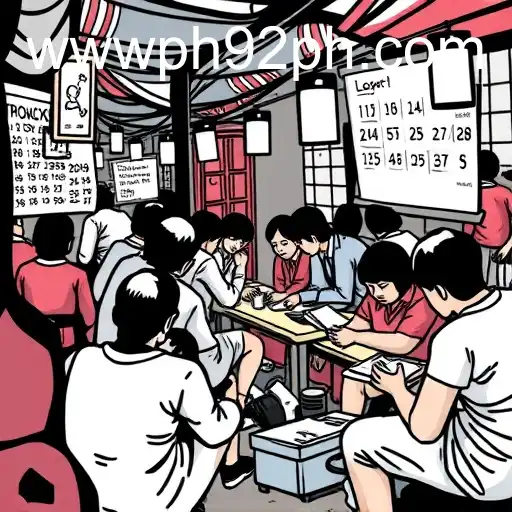
Jueteng is an illegal numbers game deeply embedded in the cultural and socio-economic fabric of the Philippines. Often seen as a form of entertainment and a means to earn easy money, jueteng has gained notoriety over the years due to its association with corruption and organized crime. Despite numerous efforts by authorities to eradicate the practice, jueteng continues to persist and thrive in various regions across the country.
The Mechanics of Jueteng
The game itself is simple, involving a lottery-type drawing of two numbers ranging from 1 to 37. Bets are placed on these combinations, and winners are determined based on the numbers drawn. Players often rely on a variety of methods, such as personal lucky numbers and dream interpretations, to select their combinations. It's this element of chance mixed with superstitious beliefs that makes jueteng both captivating and addictive to many Filipinos.
PH92.com: A Modern Twist on Traditional Gambling
With the rise of the internet and technology, traditional forms of gambling like jueteng have also evolved. Advances in digital platforms have brought about new channels of playing these games online. PH92.com has emerged as a platform adapting to this modern twist, providing a digital space where enthusiasts can engage with such games in a more accessible manner.
While platforms like PH92.com offer an innovative alternative, they also attract scrutiny and concern. Critics argue that the shift to online spaces may exacerbate issues related to gambling addiction and illegal betting operations. Nevertheless, these platforms demonstrate the growing demand for digital adaptations of traditional games.
Economic and Social Factors Sustaining Jueteng
The continued prevalence of jueteng can largely be attributed to a myriad of socio-economic factors. In many rural areas of the Philippines, opportunities for legitimate employment are limited, leaving gambling as one of the few avenues for quick financial gains. This is particularly true for communities struggling with poverty, where even a small win can significantly impact daily living standards.
Furthermore, jueteng is seen as a form of community bonding. It is often run by local operators who have established networks and relationships within their communities. These operators, known as "cabos," are responsible for collecting bets and distributing winnings, creating a tightly-knit system that is difficult to dismantle.
The Role of Corruption and Crime
Jueteng's operation is heavily intertwined with issues of corruption and crime. Allegations frequently emerge of local officials and police accepting bribes to turn a blind eye to the betting activities. This corruption perpetuates a cycle that allows jueteng to flourish unabated despite governmental crackdowns.
This entrenchment of jueteng within corrupt systems poses several challenges for law enforcement. The financial incentives are significant enough to foster protection from those meant to uphold the law, making eradication efforts particularly complex and demanding.
Government Efforts and Public Perception
Over the years, various administrations have launched campaigns to combat jueteng. These include legislative measures, arrests, and public awareness programs. However, these efforts often encounter difficulties due to deeply rooted societal dynamics and the decentralized nature of jueteng operations.
Public perception of jueteng is somewhat ambivalent. While many recognize the negative implications of pervasive gambling, the harsh economic realities and widespread poverty often overshadow the moral discourse. For numerous families relying on daily wages, the potential rewards of jueteng offer a glimmer of hope amidst financial challenges.
Exploring Solutions
Addressing the issue of jueteng requires a multifaceted approach. Solutions could include creating larger socio-economic interventions that provide legitimate employment opportunities, thereby reducing the allure of gambling as a quick financial fix. Moreover, fostering transparency and accountability among officials and law enforcement is critical in undermining the corruption that facilitates jueteng operations.
Educational programs that encourage responsible entertainment and promote awareness about the risks of gambling can also be instrumental. As digital platforms like PH92.com continue to grow, they have the potential to serve as vehicles for promoting legal and responsible online gaming environments.
Looking Towards the Future
The persistence of jueteng in the Philippines poses significant socio-economic challenges but also highlights broader issues related to poverty, access to opportunities, and governance. As digital platforms continue to evolve, offering new avenues for traditional games, it remains vital for both policymakers and communities to work collaboratively towards sustainable solutions that go beyond mere eradication.
